The Plymouth Patent
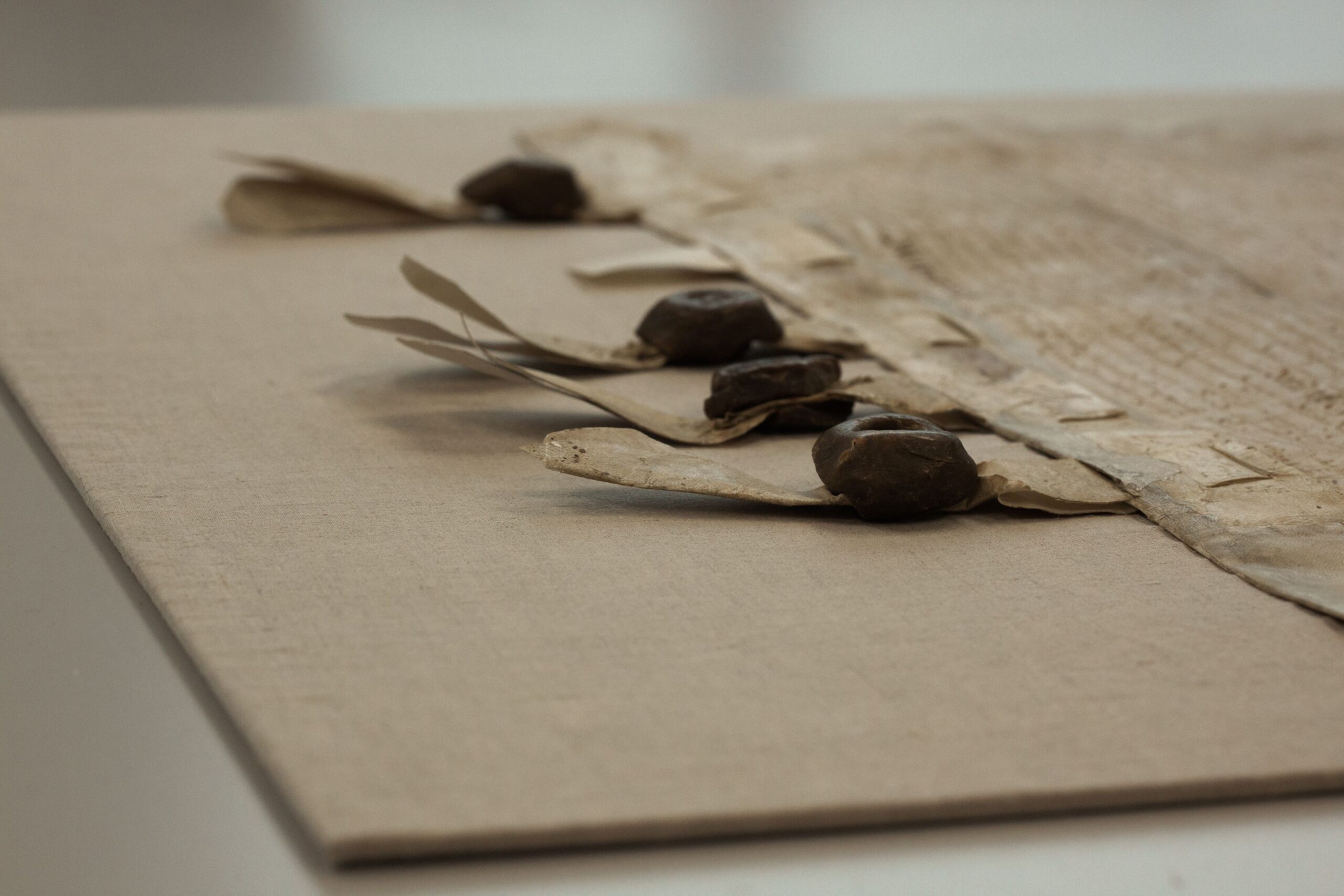
SECOND PEIRCE PATENT, 1621
MATERIAL: Parchment, ink, wax
COLLECTION OF PILGRIM HALL MUSEUM
Dated England, June 1, 1621, this document is the first land grant issued by the Council for New England and the oldest known state document in the Commonwealth of Massachusetts.
Signed by five English nobles, it gave the Mayflower Pilgrims permission to establish their colony in Plymouth after arriving north of the bounds of their original charter.
Robert Cushman carried the patent to Plymouth aboard the Fortune in 1621.
Another Perspective on the Plymouth Colony Patent:
The Wampanoag and other Indigenous people question the authority of the Council for New England or the King to assign our territories and homelands to the Pilgrims without any negotiation with Wampanoag leadership. Contrary to common belief, Wampanoag people had specific boundaries with other Indigenous peoples, as well as between Wampanoag villages.
This was not an empty, unused place, but one with ancient, well established structure.
— Linda Coombs, Aquinnah Wampanoag Tribe, 2024
What Was a Patent?
Patents were charters to large areas of land. In 1620, the Virginia Company issued the (First) Peirce Patent to the company of merchant adventurers. The patent gave the company permission to start a new settlement to be inhabited by the Pilgrims in the Virginia territory. The First Peirce Patent was never effective, because the Mayflower landed outside the bounds of the Virginia Company.
When the Mayflower returned to England in April 1621, the merchant adventurers learned that the Pilgrims had settled at Plymouth. They then obtained a patent from the Council for New England; the Council had the authority from the English government to plant and govern land in the Plymouth area. This Second Peirce Patent confirmed the Pilgrims’ settlement and governance of Plymouth.
Within its own text, the Patent is called an “Indenture.” The term indicates that the document is an agreement or contract between the parties involved, in this case, the colonists – or more accurately, the agent who was representing them, John Peirce – and the Council of New England.
The text of the 1621 Peirce Patent begins:
“This Indenture made the First Day of June 1621 And in the yeeres of the raigne of our soueraigne Lord James by the grace of god King of England Scotland Fraunce and Ireland defendor of the faith etc. That is to say of England Fraunce and Ireland the Nynetenth and of Scotland the fowre and fiftith. Betwene the President and Counsell of New England of the one partie And John Peirce Citizen and Clothworker of London and his Associates of the other partie Witnesseth that whereas the said John Peirce and his Associates have already transported and vndertaken to transporte at their cost and chardges themselves and dyvers persons into New England and there to erect and built a Towne and settle dyvers Inhabitantes for the advancem[en]t of the generall plantacon of that Country of New England Now the sayde President and Counsell in consideracon thereof and for the furtherance of the said plantacon and incoragem[en]t of the said Vndertakers haue agreed to graunt assigne allott and appoynt to the said John Peirce and his associates and euery of them his and their heires and assignes one hundred acres of grownd for euery person so to be transported…
In witnes whereof the said President and Counsell haue to the one part of this p[rese]nte Indenture sett their seales And to th’other part hereof the said John Peirce in the name of himself and his said Associates haue sett to his seale geven the day and yeeres first aboue written.[signed] LENOX HAMILTON WARWICK SHEFFIELD FERD: GORGES”